
Sample Rent Increase Letter in Nigeria: Professional Templates & Tips
Discover how to draft a professional rent increase letter in Nigeria. Get sample templates and expert tips for notifying tenants effectively
Looking for property in Nigeria? Browse live verified listings.
Browse ApartmentsRaising the rent is one of the most delicate conversations a landlord or property manager has with a good tenant. Handled poorly, it can cost you a reliable occupant or spark a dispute; handled well, it protects your yield and keeps the relationship intact. This guide shows you how to write a professional, legally-minded rent-increase notice in Nigeria — the right tone, how much notice to give, and how to justify the figure — plus a ready-to-use letter template you can copy, edit and send today.
This is general guidance on common Nigerian tenancy practice — not legal advice. Tenancy rules vary by state (Lagos, for example, has its own Tenancy Law), so confirm the specifics for your state or speak to a property lawyer before serving notice.
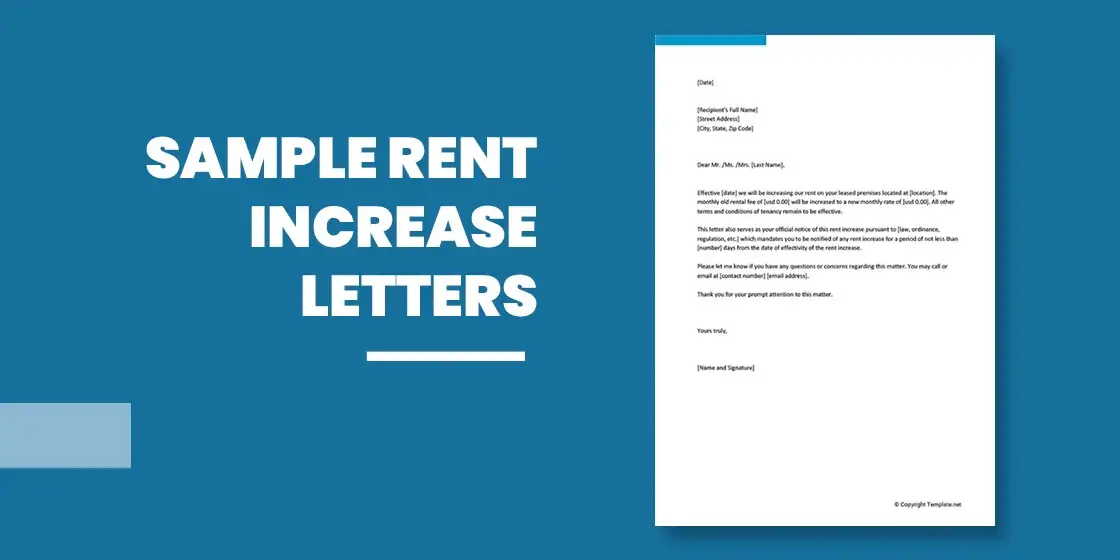
Copy-and-edit rent-increase letter template
Use the professional template below as your starting point. Replace the bracketed placeholders with your own details, then copy it straight into your email or letterhead.
Edit the placeholders in brackets, then tap Copy letter.
[Landlord name]
[Property address]
[Date]
Dear [Tenant name],
Re: Notice of Rent Review — [Property address]
Thank you for being a valued tenant at [Property address]. I appreciate the care you have shown the property and your consistent, prompt payments throughout your tenancy.
This letter serves as formal notice that the rent for the above property will be reviewed with effect from [Effective date]. From that date, the rent will change from ₦[Current rent] to ₦[New rent] per annum.
This adjustment reflects current market rates in the area together with rising maintenance and service costs. I have kept the increase as moderate as reasonably possible in recognition of your standing as a good tenant.
All other terms of your tenancy agreement remain unchanged. Kindly confirm in writing that you have received this notice. If you have any questions or wish to discuss the review, I am happy to do so — you can reach me on [phone number] or at [email address].
Thank you for your understanding and for your continued tenancy.
Yours sincerely,
[Landlord name]
How much notice should a landlord give?
You cannot raise the rent in the middle of a running tenancy — a review takes effect at renewal or expiry, and the notice period usually mirrors how the tenancy runs. As a matter of good practice (and in the spirit of most state tenancy laws), the longer the tenancy cycle, the more notice the tenant is entitled to. Give the tenant clear, written notice well ahead of the effective date — typically one to three months before a yearly renewal.
| Notice period | When it applies | Notes |
|---|---|---|
| 1 week | Weekly tenancy | Short-stay or informal lets; always put it in writing anyway. |
| 1 month | Monthly tenancy | Serve before the next month begins so the tenant can plan. |
| 3 months | Quarterly or half-yearly tenancy | Common for serviced flats billed per quarter. |
| 6 months | Yearly tenancy | The most common arrangement in Nigeria; notice usually aligns with the anniversary date. |
| 1–3 months | Rent review on renewal | A new rent applies only from renewal and typically needs the tenant's agreement — it is not imposed mid-term. |
General practice for guidance only; statutory notice-to-quit periods and rent-review rules vary by state. Check your tenancy agreement and your state's tenancy law.
How to write the notice: tone, justification and format
A rent-increase letter is a business document and a relationship-saver at the same time. Keep it warm but firm, and make the figure easy to understand. The four habits below keep good tenants on side and keep you on solid ground if the increase is ever questioned.
- Give sufficient notice. Make sure the tenant receives the letter well in advance of the effective date (typically one to three months), so the change never feels abrupt.
- Be transparent about the reason. State plainly why the rent is rising — market rates, inflation, higher maintenance or service costs, or improvements you have made. Clear reasons build trust and prevent disputes.
- Stay professional and courteous. Thank the tenant, keep the tone polite, and confirm that all other terms stay the same. A respectful letter protects a positive landlord-tenant relationship.
- Request written acknowledgment. Ask the tenant to confirm receipt and acceptance of the new terms in writing, and keep a dated copy for your records.
On formatting: lead with your name and the property address, add the date, use a clear subject line ("Notice of Rent Review"), show the current rent, new rent and effective date together so the change is unmistakable, and sign off with a contact line for questions. Deliver it in a way you can prove — email with a read receipt, or a hard copy the tenant signs.
Setting a fair, defensible figure
The safest increase is one you can justify with evidence. Before you settle on a number, compare what similar homes nearby are actually letting for — browse current homes to rent or search live listings in your area to benchmark the market. A moderate, market-aligned rise almost always beats an aggressive one: keeping a reliable tenant avoids void periods, agency fees and the cost of re-letting. If your costs have genuinely jumped, say so in the letter — tenants accept increases far more readily when the reasoning is concrete.
Frequently asked questions
Can a landlord increase rent during a tenancy in Nigeria?
Not in the middle of a fixed term. A rent review takes effect at renewal or expiry, with proper written notice, and generally requires the tenant's agreement to the new figure. You cannot unilaterally raise the rent on a tenant who has already paid for the current period.
How much can a landlord increase the rent?
There is no fixed statutory cap in most states, but the increase should be reasonable and reflect the market. Excessive or arbitrary hikes can be challenged, and some courts (Lagos among them) will weigh whether an increase is fair, so benchmark against comparable local listings before deciding.
How much notice is required for a rent increase?
It mirrors the tenancy cycle — roughly one month for a monthly tenancy and up to six months for a yearly one — and in practice landlords serve a review one to three months before renewal. Always put the notice in writing and keep a dated copy.
Explore more
- Rent Increment Letter in Nigeria — tenant notice & templates
- Caution fee explained — what it covers and when it is refundable
- Flexible rent in Lagos — rent now, pay later options
- Cheap monthly rental apartments in Lagos
Apartments.ng helps landlords let faster and get paid on time — from a rent guarantee that pays you most of your market rent up front, to verified tenants and free property listings.
List a property free Rent guarantee for landlords Talk to an agentKeep exploring
- Rent Increment Letter in Nigeria: Sample Templates & Guidelines
- Find Self-Con Apartments for Rent in Nigeria
- Cheap Monthly Rental Apartments in Lagos (2026): Budget Areas & Rents
- Find Cheap One Room Self Contain Apartments for Rent
- Self-Contained Apartments for Rent in Abuja – Find Your Ideal Space
- Self-Contain Rooms for Rent – Affordable Housing Options
Need help finding something? Tell us your requirements, budget, and location, and we will share live verified options.
Message us on WhatsAppProperty research, real estate guides, and market insight across Lagos, Abuja, and nationwide. Information verified against statutory sources and live listings on Apartments.ng.